
Introduction
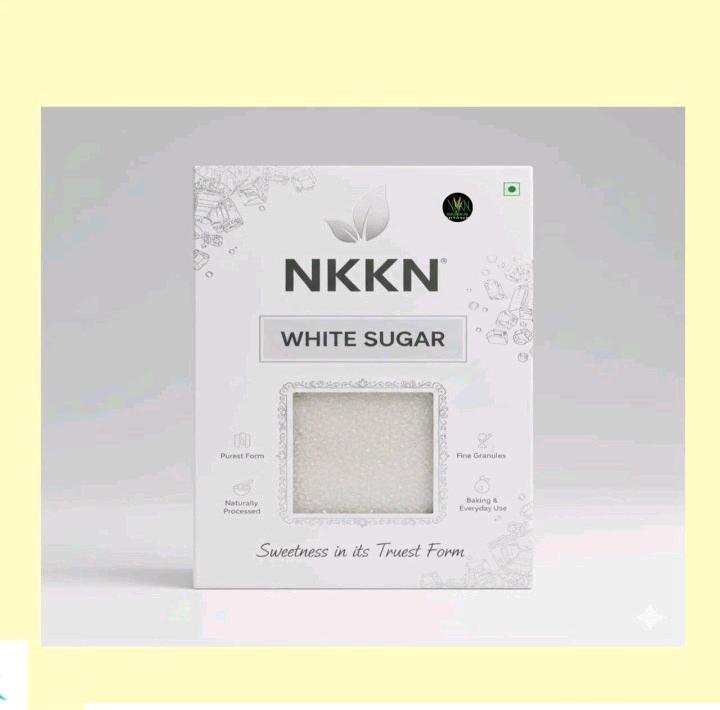
White sugar is one of the most widely used sweeteners across the globe. From your morning tea to bakery products, desserts, beverages, and even packaged foods, white sugar plays a vital role in enhancing taste and texture. At NKKN, we believe in delivering high-quality, refined white sugar that meets modern culinary and industrial standards while maintaining purity and consistency.
In this detailed guide, we will explore everything you need to know about white sugar—its origin, manufacturing process, types, uses, nutritional aspects, and why NKKN stands out as a trusted brand in the sugar industry.
What is White Sugar?
White sugar, also known as refined sugar or table sugar, is a purified form of sucrose extracted primarily from sugarcane or sugar beet. It undergoes a refining process to remove impurities, molasses, and color, resulting in its characteristic white crystals.
The chemical composition of white sugar is simple: it consists of sucrose, a disaccharide made of glucose and fructose. This structure makes it a quick source of energy for the body.
The Origin of White Sugar
The history of sugar dates back thousands of years. Initially discovered in ancient India, sugar production gradually spread to Persia, the Middle East, and eventually Europe. Over time, advancements in technology transformed raw sugar into refined white sugar, making it more appealing and versatile.
Today, countries like India, Brazil, and Thailand are among the largest producers of sugar, with India being one of the top consumers as well.
How White Sugar is Made
The process of producing white sugar involves several stages to ensure purity and quality. At NKKN, each step is carefully monitored to maintain industry standards.
1. Harvesting
Sugarcane is harvested and transported to mills where processing begins immediately to retain freshness.
2. Extraction
The juice is extracted from sugarcane using crushing machines.
3. Clarification
The extracted juice is treated to remove impurities such as dirt, fibers, and unwanted particles.
4. Evaporation
The purified juice is heated to remove excess water, resulting in a thick syrup.
5. Crystallization
The syrup is further processed to form sugar crystals.
6. Centrifugation
Molasses is separated from the crystals using high-speed centrifuges.
7. Refining & Drying
The sugar is refined, dried, and cooled to produce sparkling white crystals ready for packaging.
Types of White Sugar
White sugar is available in different forms depending on crystal size and usage:
1. Granulated Sugar

The most common type used in households for cooking, baking, and beverages.
2. Caster Sugar
Finer than granulated sugar, ideal for baking and desserts.
3. Powdered Sugar (Icing Sugar)
Finely ground sugar used for frosting, icing, and decoration.
4. Pearl Sugar
Used as a topping in baked goods for added texture.
NKKN offers a range of refined sugar variants tailored for different applications.
Uses of White Sugar
White sugar is incredibly versatile and finds applications in multiple domains:
Household Use
- Sweetening tea, coffee, and beverages
- Cooking and baking
- Making desserts like cakes, sweets, and puddings
Food Industry
- Used in confectionery, chocolates, and candies
- Essential ingredient in bakery products
- Enhances flavor in processed foods
Beverage Industry
- Carbonated drinks
- Fruit juices
- Energy drinks
Pharmaceutical Industry
- Used in syrups and medicinal formulations
Preserving Food
Sugar acts as a preservative in jams, jellies, and pickles by inhibiting microbial growth.
Nutritional Value of White Sugar
White sugar provides energy but contains no essential nutrients like vitamins or minerals.
Per 100 grams:
- Calories: 387 kcal
- Carbohydrates: 100 g
- Protein: 0 g
- Fat: 0 g
Although it is calorie-dense, moderate consumption can be part of a balanced diet.
Benefits of White Sugar
While often criticized, white sugar does have certain benefits when consumed responsibly:
1. Quick Energy Source
Sucrose is rapidly absorbed, providing instant energy.
2. Enhances Taste
Improves the flavor of foods and beverages.
3. Preservative Properties
Helps in extending shelf life of food products.
4. Baking Essential
Contributes to texture, color, and moisture retention in baked goods.
Health Considerations
Excessive consumption of white sugar can lead to several health concerns:
- Weight gain
- Increased risk of diabetes
- Dental issues
- Heart-related problems
Recommended Intake
Health experts suggest limiting added sugar intake and maintaining a balanced diet.
White Sugar vs Other Sugars
| Type | Color | Processing Level | Flavor |
|---|---|---|---|
| White Sugar | White | Highly refined | Neutral |
| Brown Sugar | Brown | Less refined | Slight molasses |
| Raw Sugar | Light | Minimally refined | Mild flavor |
| Coconut Sugar | Brown | Natural | Caramel-like |
White sugar remains the most widely used due to its purity and versatility.
Why Choose NKKN White Sugar?
At NKKN, we focus on delivering premium-quality white sugar that meets both domestic and industrial requirements.
High Purity
Our sugar undergoes advanced refining processes to ensure maximum purity.
Consistent Quality
Uniform crystal size and texture for consistent performance.
Hygienic Packaging
Processed and packed under strict hygiene standards.
Trusted Brand
NKKN is committed to quality, reliability, and customer satisfaction.
Storage Tips for White Sugar
To maintain the quality of white sugar:
- Store in a cool, dry place
- Keep in an airtight container
- Avoid exposure to moisture
- Keep away from strong odors
Proper storage ensures longer shelf life and prevents clumping.
Industrial Importance of White Sugar
White sugar is a key ingredient in many industries:
- Food processing
- Beverage manufacturing
- Pharmaceuticals
- Bakery and confectionery
Its uniformity and purity make it ideal for large-scale production.
Environmental and Sustainability Aspects
Modern sugar production is becoming more sustainable:
- Efficient water usage
- Recycling of by-products like bagasse
- Eco-friendly manufacturing practices
NKKN supports sustainable practices to reduce environmental impact.
Future of White Sugar Industry
The demand for white sugar continues to grow due to:
- Increasing population
- Rising food consumption
- Expansion of the food processing industry
Innovations in production and packaging will further enhance quality and efficiency.
Conclusion
White sugar remains an essential ingredient in everyday life, offering sweetness, versatility, and functionality across multiple industries. While moderation is key to maintaining health, its role in cooking, baking, and food preservation is unmatched.
With NKKN White Sugar, you get a product that combines purity, quality, and reliability. Whether for home use or industrial applications, NKKN ensures that every grain delivers excellence.
FAQs
1. Is white sugar vegan?
Yes, most white sugar is vegan, though processing methods may vary.
2. Can white sugar expire?
White sugar has a long shelf life if stored properly.
3. Is white sugar better than brown sugar?
Both have similar calorie content; the choice depends on taste and usage.
4. How much sugar is safe daily?
Moderation is key—follow dietary guidelines for added sugar intake.
5. Why does sugar clump?
Moisture exposure causes sugar to clump; store it in a dry place.
NKKN – Delivering Sweetness with Quality You Can Trust.