
Introduction
Indian cuisine is famous around the world for its rich flavours, aromatic spices, and traditional cooking techniques. Every Indian kitchen has a collection of essential spices that help transform ordinary meals into delicious dishes. Among these spices, Hing, also known as Asafoetida, holds a special place. Even a small quantity of hing can bring a wonderful aroma, distinctive flavour, and authentic taste to everyday cooking.
Introducing NKKN Pure Hing (Asafoetida), a carefully presented spice product designed to become a valuable addition to your kitchen. With its attractive packaging, convenient 25-gram pack size, and traditional identity, NKKN Pure Hing represents the importance of adding the right spice to your favourite recipes.
Whether you are preparing dal, vegetables, curries, pickles, or traditional Indian snacks, hing can make a noticeable difference in the overall flavour of your food. It is one of those essential ingredients that many experienced home cooks consider indispensable.
In this article, we will explore the importance of hing, its culinary applications, traditional uses, storage tips, and why NKKN Pure Hing deserves a place in your everyday spice collection.
What Is Hing (Asafoetida)?
Hing, scientifically known as Asafoetida, is a traditional spice obtained from the dried resin of certain plants belonging to the Ferula family. It is widely used in Indian, Pakistani, Middle Eastern, and other regional cuisines.
In its concentrated form, hing has a strong and distinctive smell. However, when a small amount is added to hot oil or ghee, it develops a pleasant, savoury aroma that enhances the taste of various dishes.
Hing is especially popular in Indian vegetarian cooking. It is commonly used in lentils, pulses, vegetable preparations, chutneys, and traditional snacks.
For generations, Indian households have considered hing an important kitchen ingredient because of its unique flavour and versatility.
Introducing NKKN Pure Hing
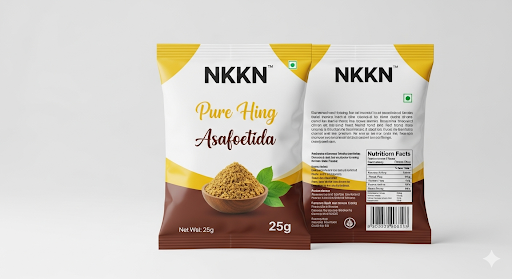
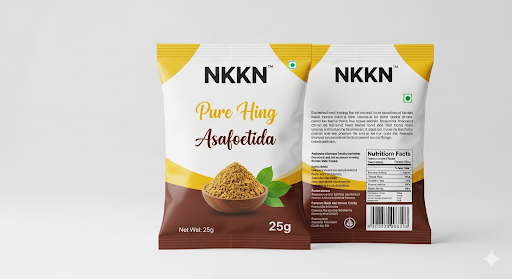
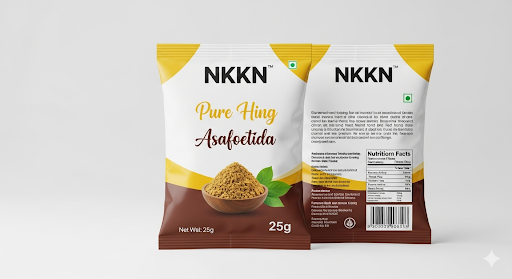
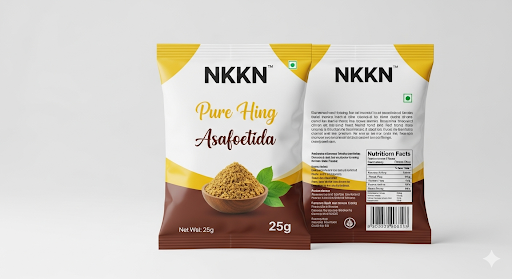
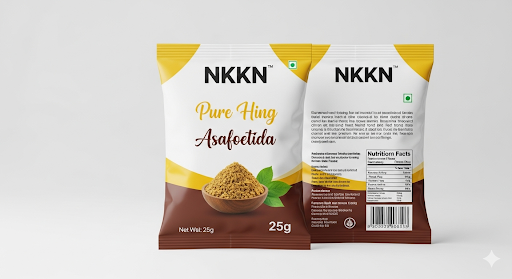
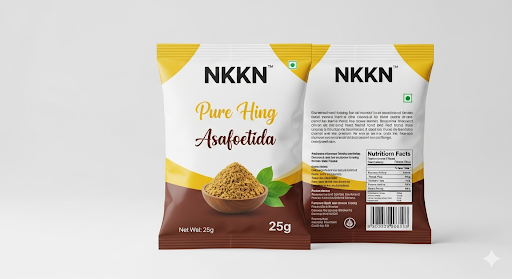
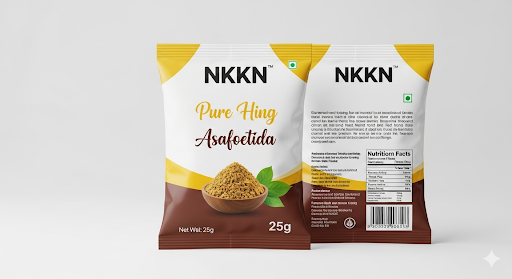
NKKN Pure Hing is presented in an attractive and practical 25-gram packet. The packaging features the NKKN brand name prominently, along with the product identification, Pure Hing and Asafoetida.
The design combines a clean white background with attractive yellow details and a rich brown lower section. An illustration of hing powder with green leaves highlights the natural spice-inspired identity of the product.
The compact packaging makes it convenient to keep this essential spice in your kitchen cabinet or spice collection.
The 25-gram pack is a practical option for households that want to keep hing available for regular cooking without requiring a large quantity at once.
NKKN focuses on presenting everyday kitchen essentials in attractive packaging that makes products easy to recognise and convenient to store.
Why Is Hing Important in Indian Cooking?
Hing is much more than an ordinary seasoning. It plays an important role in creating the characteristic flavour of many traditional Indian dishes.
Here are some reasons why it is widely used in Indian kitchens.
1. Adds a Distinctive Aroma
One of the most noticeable qualities of hing is its powerful aroma. When added to hot oil, ghee, or other cooking fats, it releases a characteristic fragrance that gives food a traditional Indian flavour.
Even a small pinch can make a difference to the aroma of dal, curry, and vegetable dishes.
2. Enhances the Taste of Food
Hing provides a savoury and slightly pungent flavour. It works particularly well with ingredients such as cumin seeds, mustard seeds, turmeric, coriander, and chilli powder.
Its flavour complements many everyday spices and helps create a balanced taste.
3. Useful for Vegetarian Recipes
Hing is especially popular in vegetarian cooking. It is frequently used in lentil preparations, potato dishes, chickpea recipes, and vegetable curries.
It helps give vegetarian meals a distinctive savoury character.
4. A Little Goes a Long Way
Hing is a concentrated spice, so only a small quantity is generally required. This makes it an economical addition to a regular kitchen spice collection.
Using too much can overpower the taste of a dish, so moderation is important.
Popular Indian Dishes Prepared with Hing
One of the best things about hing is its versatility. It can be included in numerous traditional and modern recipes.
1. Dal Tadka
Dal Tadka is among the most popular Indian dishes prepared using hing. A tempering of ghee or oil, cumin seeds, garlic, dried red chillies, and a pinch of hing gives the dal a delicious aroma.
NKKN Pure Hing can be used as part of this traditional tempering to add an authentic flavour to homemade dal.
2. Aloo Sabzi
Potato curry is a favourite in many Indian households. Whether prepared as dry aloo sabzi or a traditional gravy-based dish, hing can complement the flavours of potatoes and other spices.
A small pinch added to hot oil before the other ingredients can enhance the overall aroma.
3. Rajma and Chole
Rajma and chole are popular Indian dishes commonly served with rice, roti, or bhature.
Hing can be incorporated into the initial tempering or gravy preparation to provide an additional layer of savoury flavour.
4. Kadhi
Indian kadhi is known for its delicious combination of yoghurt, gram flour, and spices. Hing is often added to the tempering, along with cumin seeds and dried red chillies.
It contributes to the traditional aroma that makes homemade kadhi so enjoyable.
5. Khichdi
Khichdi is a comforting meal prepared using rice and lentils. It can be simple or richly seasoned depending on personal preferences.
A little hing added during tempering can give khichdi a more traditional flavour.
6. Pickles and Chutneys
Hing is also used in many Indian pickle and chutney recipes. Its concentrated flavour complements ingredients such as mango, lemon, chilli, and various spice blends.
It can help create the distinctive taste associated with traditional homemade pickles.
7. Papad and Traditional Snacks
Many Indian snack preparations use hing as an important seasoning ingredient. It can be included in spice mixtures, savoury snacks, and selected papad recipes.
Its strong aroma makes it a useful ingredient in traditional savoury preparations.
How to Use NKKN Pure Hing in Everyday Cooking
Using hing is simple, but the quantity and timing are important.
Follow these basic steps to get the best flavour from hing:
- Heat a small amount of oil or ghee in a pan.
- Add a small pinch of NKKN Pure Hing.
- Allow it to release its aroma for a few seconds.
- Add cumin seeds, mustard seeds, or other tempering ingredients as required.
- Continue preparing your recipe according to its instructions.
Hing is generally used during the tempering stage of cooking. This helps distribute its flavour throughout the dish.
For recipes that require a dry spice mixture, it can also be incorporated in an appropriate quantity.
Always begin with a small amount and adjust according to your taste preferences.
Traditional Uses and Cultural Importance of Hing
Hing has a long history in traditional cooking and food cultures. It has been used for generations in different parts of India, particularly in households where traditional vegetarian recipes are prepared regularly.
In many Indian regions, hing is considered an essential ingredient for preparing everyday meals. From North Indian dal preparations to South Indian sambhar variations and regional vegetable dishes, its distinctive flavour has become an important part of culinary traditions.
Grandmothers and experienced home cooks have traditionally used small quantities of hing to create familiar flavours that remind people of homemade food.
Today, hing continues to be an important ingredient in both traditional and contemporary kitchens.
Hing in Modern Cooking
Although hing has a strong connection with traditional Indian cuisine, it can also be used in modern cooking.
With more people experimenting with different flavours and recipes, traditional spices are finding new applications.
Some interesting ways to use hing include:
- Adding a pinch to roasted vegetable preparations.
- Including it in homemade savoury seasoning blends.
- Using it in lentil soups.
- Adding it to spiced rice dishes.
- Incorporating it into homemade crackers and savoury snacks.
- Using it in selected salad dressings and chutneys.
These applications demonstrate how a traditional spice can complement different styles of cooking.
Tips for Buying and Storing Hing
Proper storage is important for maintaining the aroma and quality of spices.
Here are some useful tips for storing NKKN Pure Hing:
1. Keep It Airtight: Always close the packet properly after use. If the packaging is not resealable, transfer the spice to a clean, airtight container.
2. Store in a Cool Place: Keep hing away from direct sunlight and excessive heat.
3. Avoid Moisture: Moisture can affect the texture and quality of powdered spices. Always use a dry spoon when handling the product.
4. Keep Away from Strong Odours: Store hing in a suitable closed container because its strong aroma can transfer to other nearby food items.
5. Check the Packaging: Follow the storage instructions and best-before information printed on the product packaging.
These simple practices can help preserve the spice’s characteristic aroma for longer.
Why Choose NKKN Pure Hing?
Choosing the right spices is an important part of preparing enjoyable meals. NKKN Pure Hing offers a convenient way to include this traditional ingredient in your daily cooking.
Here are some features of the product presentation:
- Recognisable Branding: The NKKN brand name is clearly displayed on the front of the packet.
- Product Identification: The packaging prominently mentions Pure Hing and Asafoetida.
- Convenient Pack Size: The 25-gram quantity is suitable for keeping a compact spice supply at home.
- Attractive Packaging: The yellow, white, and brown colour combination creates an appealing product presentation.
- Everyday Kitchen Use: Hing is suitable for numerous traditional Indian recipes and selected modern preparations.
The product packaging also includes a back panel with product information and a nutrition facts section, helping customers refer to the details provided on the pack.
Consumers should always check the complete ingredient list, allergen information, food safety details, and other declarations printed on the actual packaging before purchasing or using the product.
The Role of Hing in a Balanced Kitchen
A well-organised kitchen includes different spices that serve different culinary purposes. Turmeric adds colour, cumin contributes an earthy flavour, coriander provides a distinctive fragrance, and hing delivers its own concentrated savoury character.
Rather than using large quantities, traditional Indian cooking often relies on carefully measured amounts of different spices.
Hing is a good example of this approach. Its concentrated nature means that a small quantity can contribute significantly to the overall flavour of a recipe.
It is important to remember that hing is primarily used as a culinary seasoning. Although it has a history of traditional use, it should not be considered a replacement for medical treatment or a guaranteed remedy for digestive or other health conditions.
People with known food allergies or dietary restrictions should check the product ingredients carefully. Some commercially prepared hing products may contain additional ingredients, including wheat-based components.
NKKN: Bringing Essential Kitchen Spices Closer to Everyday Consumers
The quality and presentation of everyday kitchen ingredients are important considerations for modern consumers. People want products that are easy to identify, convenient to store, and suitable for their regular cooking requirements.
NKKN aims to bring essential kitchen products to consumers under a recognisable brand identity.
From traditional spices to everyday grocery essentials, kitchen products play an important role in helping families prepare meals they enjoy.
NKKN Pure Hing is one such essential spice product that highlights the importance of traditional ingredients in everyday food preparation.
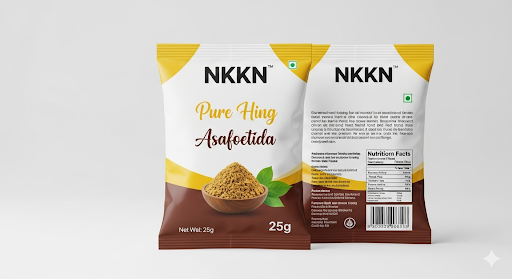
Its compact 25-gram packaging makes it a convenient addition to a household spice collection.
Conclusion
Hing, or Asafoetida, is one of the most distinctive and valuable spices in Indian cooking. Its powerful aroma, concentrated flavour, and versatility make it an important ingredient in countless traditional recipes.
From dal tadka and aloo sabzi to kadhi, khichdi, pickles, and savoury snacks, hing adds a familiar flavour that many Indian food lovers appreciate.
NKKN Pure Hing (Asafoetida) – 25g brings this traditional kitchen ingredient into an attractive and convenient packet. Whether you are preparing everyday meals or experimenting with regional Indian recipes, a small pinch of hing can help bring out the authentic character of your food.
Make your everyday cooking more flavourful by including the right spices in your kitchen collection.
Choose NKKN Pure Hing and bring the traditional aroma of Indian cooking to your favourite dishes!